
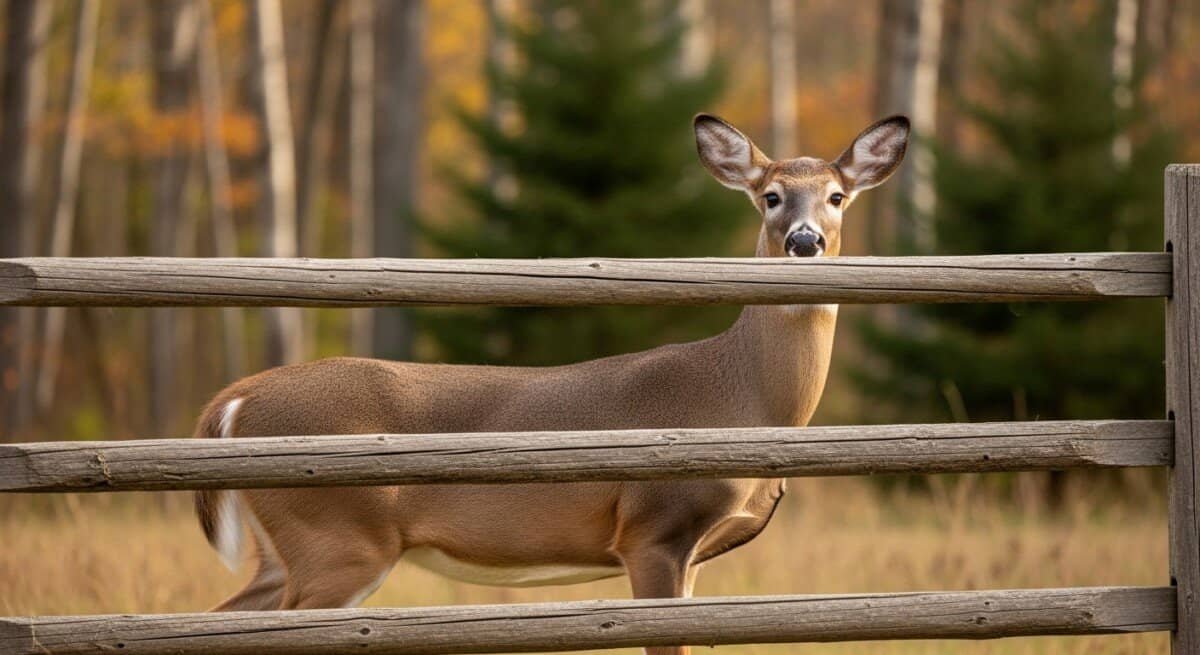
A lot of people enjoy spotting white-tailed deer on the edge of their yard. It’s a pretty sight—until those deer decide your vegetable patch or young fruit trees are their new favorite buffet. Suddenly, it’s a different story. The real challenge is figuring out how to protect your garden and landscaping without hurting the deer or turning your home into some kind of fortress. Here, you’ll find practical, humane ways to keep deer damage in check. We’ll focus on smart fencing, effective repellents, and choosing the right plants—stuff that actually works for the long haul.
Why Deer Become a Backyard Problem
Deer numbers have gone up in a lot of suburban and rural places. They’ve got plenty to eat, not many predators, and all those patches of woods and yards make perfect “edge” habitat. Your yard, fruit trees, and garden often offer tastier meals than the woods, especially when winter drags on or spring hasn’t really sprung. Once deer figure out there’s a steady supply of food at your place, they just keep coming back. It doesn’t take long before their visits turn into a habit—a tough one to break.
And the damage? It’s not just a few chewed leaves. Young trees can get girdled, shrubs can end up with permanent bare spots, and sometimes the whole garden vanishes overnight. Most folks aren’t looking to start a war—they don’t want to use lethal methods, especially near their homes or on small lots. That’s why nonlethal, wildlife-friendly strategies are the backbone of real-world deer management.
Principles of Humane Deer-Resistant Design
Before you start buying sprays or putting up fences, it’s worth thinking about a few key ideas that make your yard tougher against deer but still safe for wildlife.
1. Get ahead of the problem.
It’s way easier to keep deer out before they settle in for regular meals. So, the moment you notice browsing, act fast. Put up barriers or use repellents right away. Waiting until things get bad just makes it harder to stop them later.
2. Mix it up.
There’s no magic fix—especially if there are lots of deer and not much else for them to eat. The best approach layers different tactics: fence off the most vulnerable spots, use repellents on plants they love, and fill your yard with things deer don’t like to eat. Together, these steps hold up much better over time.
3. Focus on what deer actually eat.
They go for the good stuff—young trees, tender shrubs, and most vegetables. Put your energy into protecting these instead of trying to cover every single plant.
4. Use deer behavior to your advantage.
Deer are naturally cautious. They steer clear of strong smells, bitter tastes, weird barriers, and tight spots. But they’re also quick learners—static scarecrows or flimsy fences won’t fool them for long. The trick is to set things up so they stay wary, without harming or trapping them.
5. Aim for balance, not banishment.
You don’t need to kick deer off your property entirely. The goal is to keep them away from the plants you care about most, while nudging them toward less important greenery or whatever’s growing wild nearby. That way, everyone gets to live a little more peacefully.
Fencing: The Most Reliable Physical Barrier
If deer are a constant problem, fencing usually stands out as the best long-term fix—especially if you’ve got a garden or orchard to protect. A good fence keeps deer out without hurting them, and you can adjust the design to fit your property and budget.
Full-Perimeter Deer Fencing
If deer keep coming back and the damage is getting out of hand, fencing your entire yard or a big section of it is the strongest way to protect your plants.
Here’s what matters most:
• Height: You need at least 7 to 8 feet. Deer can jump a 6-foot fence without much trouble, so experts recommend an 8-foot barrier in spots where deer pressure is high. For most yards, a solid 7-foot fence with no gaps underneath usually does the trick.
• Material: Use woven wire or heavy mesh. The standard setup is two 4-foot rolls of woven wire attached to tall, 12-foot posts—sturdy and tough. You can also use heavy-duty plastic or metal mesh made for deer, as long as you pull it tight and check it now and then.
• Post spacing and depth: Go with strong posts—wood, metal, or composite—and set them deep. This keeps the fence from sagging or getting knocked over. In farm settings, people like high-tensile wire because it stands up to deer and falling branches better than softer wire.
• Ground contact: If there’s a gap at the bottom, deer will find it. Keep the fence tight to the ground and fill in any low spots with extra wire, mesh, or even bury part of the fence.
• Snow conditions: In the north, deep snow can give deer a boost, making your fence effectively shorter. Check your fences every week in winter, and add height if snow levels get high enough to let deer jump over.
Pros:
• Very effective and lasts a long time.
• Once it’s up, you barely have to think about it—it works around the clock.
Cons:
• Costs a lot upfront.
• Some people don’t love how it looks, and it might not fit in with every neighborhood
• You have to install it carefully, or deer will find the gaps.
Garden and Plant-Enclosure Fencing
If building a full perimeter fence isn’t in the cards, you can still protect the spots that matter most—like your vegetable garden, a few fruit trees, or clusters of favorite shrubs. Here’s how people get it done:
• Cages for individual trees or shrubs. Pound in a few stakes about 3 or 4 feet from the trunk, then wrap mesh or plastic fencing around the plant. Deer can’t reach in to munch or rub their antlers. Simple and effective.
• Small garden enclosures. For raised beds or tight vegetable patches, lightweight deer netting over strong posts usually does the trick—just make sure it’s at least 7 feet tall and closed tight at the bottom so nothing sneaks under.
• Plan for snow. If you get a lot of snow, build the fence high enough so it still works when the snow piles up. Check that rabbits or other small animals can’t get trapped inside.
Why go this route? You focus on protecting what matters most. It’s cheaper than fencing the whole yard.
What’s the catch? Fences still have to be tall and sturdy. A bunch of small cages and enclosures can end up looking messy if you don’t plan them out.
Low-Cost Electric Fencing
If you’ve got a bigger space—like an orchard or a large garden—some folks go for electric fences, borrowing ideas from farm setups.
What works:
• Five-wire high tensile electric fences. These use tough steel wire, special tensioners, and a powerful energizer. The shock doesn’t hurt the deer, but it convinces them to stay away.
• Behavioral barriers. Sometimes, you “train” deer to respect the fence by baiting certain wires with a scent. Deer sniff, get a zap, and learn to steer clear after that.
A few things to keep in mind:
• Always follow local rules for electric fences, including any signage.
• Make sure plants and weeds don’t touch the wires; otherwise, the fence won’t work as well.
• Electric fencing isn’t a great fit for small yards, places with lots of kids or pets, or dense neighborhoods.
Always think about safety and what your neighbors expect.
Repellents: Odor and Taste-Based Protection
Repellents are a handy way to protect your plants, especially if putting up a fence isn’t an option. They’re also great as a backup, working alongside other methods. Basically, these products make your plants smell or taste so awful that deer decide to eat somewhere else. They don’t hurt the animals—just send them looking for a better meal.
Types of Repellents
Most repellents fall into two main groups:
• Area repellents (odor-based) You use these around your plants or on the soil nearby. They work by giving off smells deer want nothing to do with. Some examples:
o Tankage (that’s just rotting meat scraps)
o Ammonium soaps
o Bone tar oil
o Blood meal
o Human hair stuffed in mesh bags
• Contact repellents (taste-based) These go straight on the plants themselves. When deer try to snack, they get a nasty surprise. Some of the better options:
o Thiram sprays (some fungicides double as repellents)
o Sprays with putrescent egg solids—imagine rotten eggs and sulfur, and you’re close
How to Use Repellents Effectively
Repellents won’t make damage disappear, but they can cut it down a lot if you use them right.
• Start early.
Don’t wait for deer to make themselves at home. Spray repellents as soon as you spot browsing or, even better, before it starts—especially on your favorite or most valuable plants. Once deer pick a spot, they’ll keep coming back, even if you make it less appealing.
• Stick to the label.
Only use products meant for the plants you’re treating—whether that’s ornamentals, veggies, or trees. Follow any waiting periods before you harvest or handle treated plants. If you ignore the label, you could hurt your plants or create safety problems.
• Reapply after weather.
Rain, snow, sunlight, or new growth all wear repellents down. You’ll need to reapply, sometimes a lot, especially when it’s wet. Check the label for how often, but don’t be surprised if you’re out there more than you’d like.
• Mix things up.
Deer can get used to the same smell or taste. Rotate between different repellents and, if you can, use them with other methods—like barriers or choosing plants deer don’t like.
• Focus your efforts.
Protect the plants deer love most: young fruit trees, new shrubs, and anything especially tasty. You don’t have to treat every single plant. Guarding the favorites can make a big difference.
Limitations of Repellents
Even at their best, repellents usually cut damage by half to three-quarters, not more. Sometimes, it’s less. They work best when:
• Deer numbers are low to moderate.
• There’s other food around, especially outside of harsh winters.
• The plants aren’t irresistible.
• You keep up with regular applications and don’t let them wash off.
Repellents are most useful as part of a bigger plan. Don’t count on them alone to save your garden, but when you combine them with other strategies, they make a real difference.
Deer-Resistant Planting for Long-Term Success
The plants you pick really shape how inviting your yard is to deer. No plant is truly “deer proof,” but some get nibbled way less than others and still make your landscape look great—without being a buffet.
Why Plant Choice Matters
Deer have favorites, some plants they’ll eat if they have to, and others they barely touch. They tend to skip anything with strong smells, tough or spiny textures, or bitter and toxic leaves. If you focus on these less-tasty options, your yard just won’t be as interesting to hungry deer, especially when there’s plenty of other food around.
Examples of Less-Preferred Trees and Shrubs
Extension offices often share lists of trees and shrubs that usually stand up to deer, though you still need to protect new plants for a while.
Some trees deer generally avoid:
– Pines and spruces (several types)
– Box elder
– Black locust
Shrubs that aren’t so tempting:
– Hollies (birds might still go for the berries)
– Rhododendrons (depends on your region)
– Barberries (watch out—some are invasive, so check before planting)
– Lilacs
– Tree peonies
These choices give your yard structure and interest all year, but deer typically ignore them when easier food is available.
Using Deer-Resistant Native Plants
Native plants that deer leave alone or only nibble lightly can help pollinators and local wildlife too. You can even buy “deer-resistant” native plant kits tailored for different spots—sunny or shady, wet or dry. These kits usually mix plants that benefit the ecosystem and don’t attract deer.
If you go this route:
– Make sure the plants fit your yard’s sun, soil, and moisture.
– Mix it up with groundcovers, perennials, shrubs, and small trees for layers.
– Even tough plants need protection when they’re young, so guard them until they get established.
Strategic Placement: “Sacrificial” vs. Protected Zones
Smart planting can steer deer where you want them—or at least away from what you care about most.
– Plant less-palatable choices along property lines or near woods. If deer hit tough, unappealing plants first, they’re more likely to move on instead of heading deeper into your garden.
– Keep the good stuff—tender veggies, roses, young fruit trees—close to the house or behind fences.
– Mix in deterrent plants with your favorites. Aromatic, prickly, or bitter neighbors can make the whole bed less appealing. It’s not a magic fix, but it helps.
Combining Tactics: An Integrated Approach
The yards that hold up best against deer mix several strategies—fences, repellents, and careful plant choices. It’s about building a system that gently shapes deer behavior over time.
Example Strategy for a Typical Suburban Yard
Picture a homeowner with a small front yard, a vegetable patch on the side, and some young fruit trees. Here’s how an integrated approach could work:
1. Vegetable garden:
– Put up a mesh fence at least 7 feet tall with solid posts—no gaps at the bottom.
– Add a self-closing gate so you can get in and out easily.
2. Young fruit trees:
– Surround each one with a sturdy cage of wire or heavy plastic mesh, staked about 4 feet from the trunk.
– Use a tree-safe repellent on new growth at the start of each season, especially those first few years until the trees grow taller than deer can reach.
3. Foundation plantings and flower beds:
– Go heavy on deer-resistant shrubs like hollies, lilacs, and some evergreens.
– Mix in strongly-scented perennials and tough groundcovers.
– Use repellents on any plants you know deer love—tulips, hostas, you name it—especially in spring.
4. Yard edges and spots that back up to woods or fields:
– Plant a border of deer-resistant natives that fit your conditions (many native kits have good options).
– Let this outer area serve as a “soft landing” where deer pass through but don’t find anything worth sticking around for.
In the end, it takes a little planning and a mix of tactics, but you can definitely create a beautiful yard that stands up to deer.
5. Monitoring and adjustments:
Walk your property every week during peak browsing season—think late winter through early summer. Look for fresh damage, any fence problems, or places where rain has washed away your repellent. If you spot trouble, act fast. Add more repellent where deer are nibbling, patch up fence gaps, or put a temporary cage around a vulnerable new shrub.
This layered strategy works with nature instead of against it. You’re letting deer know your veggies and young trees aren’t on the menu, but you’re not pushing them out entirely.
Costs, Effort, and Payoff
Sure, setting up fences and keeping up with repellents takes some money and effort at the start. But honestly, it’s usually cheaper in the long run. Losing a mature tree or a row of fruit saplings hurts a lot more—in your wallet and your garden. Replacing them costs more than just putting up a solid fence or sticking to a repellent routine.
Once you’ve got your defenses in place—fences up, planting shifted toward deer-resistant choices—maintenance gets a lot easier. Then it’s just regular checkups and the occasional touch-up with repellents. Compare that to chasing deer away year after year with random sprays or noisy gadgets. You end up spending more time, more money, and you get worse results.
Keeping Wildlife Safe While Protecting Your Yard
Everything here protects your plants without hurting deer or other wild critters. To keep it that way, remember a few things:
• Skip homemade mixes that might put pets, kids, or helpful wildlife at risk.
• Only use repellents made for gardens and landscapes. Don’t go overboard—follow the label.
• Build fences so animals can’t get tangled. No loose netting at ground level, and fix any broken spots right away.
• Never trap deer inside your fencing. Check big enclosures often and make sure animals can get out if they wander in.
When you follow the research—right fence height, smart use of repellents, good plant choices—you end up with a yard that looks great and works with local deer, not against them. Wildlife still has its place at the edges, but your gardens and young trees get the protection they need to really thrive.